How to run a successful class-based fitness business
November 19, 2026
1
minutes

A successful class-based fitness business is about more than burning calories and building muscle. Behind every packed class is a set of unglamorous decisions: how you plan, how you price, how you schedule, how you market, and how you look after your team and your members. If you’re new to gym ownership, you might be asking yourself how to run a successful class-based fitness business
Below, we'll walk through the fundamentals of fitness business management, from the operational backbone of your studio to filling your classes, spreading the word, pricing with confidence, and building a timetable your community can plan their week around.
Fitness business management
Fitness business management is the ongoing work of planning, organizing, and improving everything that happens around your classes: your finances, your people, your systems, and your brand. The difference between a studio that thrives and one that's always struggling to stay afloat usually comes down to management and business choices.
A few habits make the biggest difference:
- Set goals. Strategic planning doesn't need to be complicated. Pick a few targets for attendance, revenue, and retention, review them regularly, and raise the bar once you hit them.
- Know your numbers. Revenue per class, active members, cancellation rate, and class utilization tell you what's working long before your bank balance does.
- Stay adaptable. Member needs, local competition, and the wider industry all shift. Our 2026 Group Fitness Industry Trend Report is a useful gut check on where the fitness industry is heading.
- Lead with purpose. Your culture starts with you. Clear expectations, regular feedback, and a team that feels valued make your studio a better place to train and to work.
For more practical ideas, check out our 10 tips for a successful group fitness business.

Fitness studio management
If fitness business management is the big picture, fitness studio management is the daily work of keeping everything running: members, instructors, facilities, and finances. This is the operational backbone most of your members will never see.
Here's where to focus:
- Use integrated technology. When scheduling, bookings, billing, and member data live in one system, you cut down on errors, double entry, and late-night admin. Studio management software with one login for everything is a big time-saver, and TeamUp's all-in-one platform is built for exactly that.
- Build predictable revenue. Recurring memberships create a steady monthly baseline, while workshops, events, and retail add extra income and bring more people through your doors.
- Take care of your instructors. Good instructor management covers hiring, payroll, credential tracking, and clear class expectations. Staff turnover, low morale, and internal friction show up on the studio floor, and your members feel it. Our guide on how to hire coaches and grow your team is a good place to start.
- Let reporting and the numbers do the thinking. Attendance reports, revenue breakdowns, and renewal dates help you spot problems early, rather than guessing.
- Keep the space in shape. Clean facilities and reliable equipment are the quiet reasons members stay.
The goal is simple: spend less time on admin, and more time on the studio floor with your members.
How to increase fitness class attendance
An empty spot in a class drains revenue and can put a damper on the energy in the room. The good news is that boosting fitness class attendance rarely takes a total overhaul. It takes a few smart habits.
- Start with your data. Look at attendance patterns by day, time, class type, and instructor. Consistently full classes may deserve another slot, while consistently quiet ones may need a new time, a new format, or a retirement party.
- Make booking effortless. Members should be able to book, cancel, and see their schedule from their phone in seconds. Letting people reserve a spot ahead of time also makes them more likely to show up.
- Remind and re-fill. Automated reminders cut down on no-shows, and a waitlist means a cancellation turns into a booking instead of an empty mat.
- Build a workout tribe. Introduce new members to coaches and regulars, celebrate milestones, and make your classes less intimidating for first-timers. Friendship is a powerful reason to keep booking.
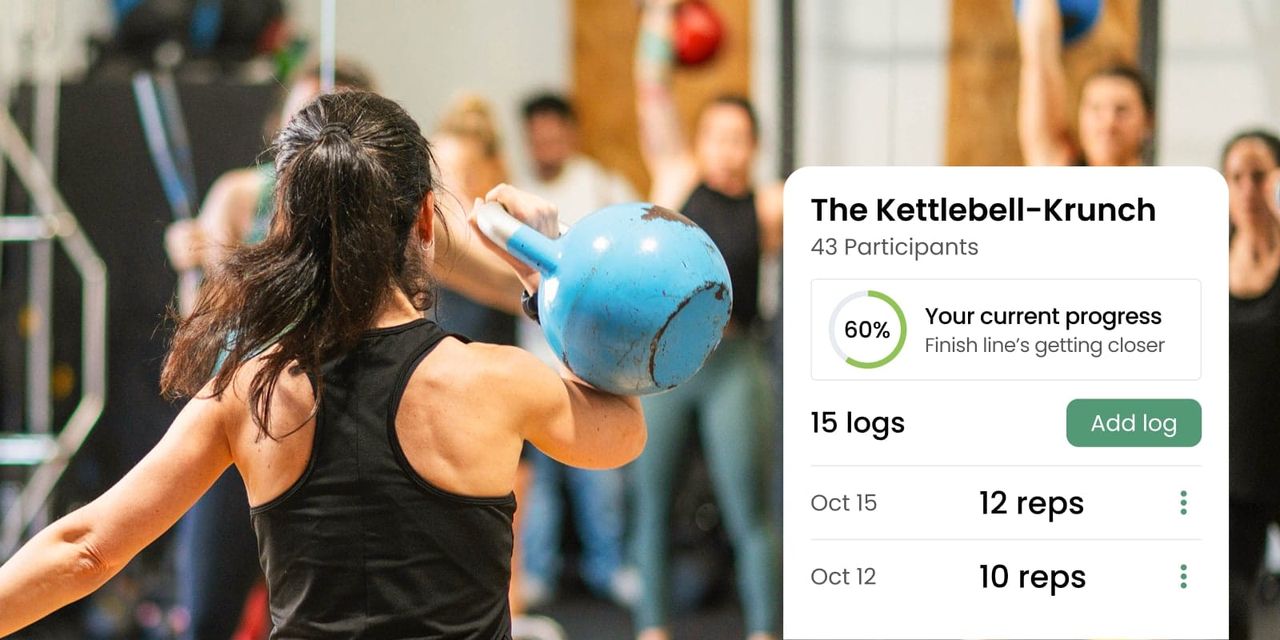
- Run a challenge. A 30-day or seasonal challenge gives members a shared goal and keeps energy up when attendance usually dips, like summer or the holidays.
- Reward referrals. "Bring a friend" days and referral perks turn your best members into your best marketers. Choose “Bring a friend” classes at times that are less busy, so you can increase attendance at odd times.
- Keep things fresh. Test new formats, themed series, or seasonal classes, and ask for feedback. A new class announced a few weeks ahead gives people time to plan.
- Offer a virtual option. For members who travel or can't make it in person, on-demand or live-streamed classes keep them connected to your studio.
For more ideas on keeping your offering fresh, check out our guide: Revitalize your offerings: Engaging members and attracting new clients.
Fitness studio marketing: be easy to find and easy to love
Most boutique studios don't have a big marketing budget, and they don't need one. Effective fitness studio marketing comes down to knowing who you serve, showing up where they're looking, then giving them a reason to try you out.
- Get clear on your positioning. What outcome do you deliver, and for whom? A clear answer should show up consistently across your website, social media, reviews, and the studio itself.
- Win local search. Many people start with a search like "fitness studio near me." A complete Google Business Profile, a mobile-friendly website, and a steady stream of reviews help you show up first.
- Make it easy for new members to try your gym out with low risk. Free trials, intro offers, and open house events let prospects experience your coaches and your vibe before they commit.
- Show up on social. Share class times, member wins, coach spotlights, and behind-the-scenes moments. Short video is a great way to give people a taste of the energy in your room. Facebook, Instagram, and TikTok are popular channels, depending on your target age and demographic.
- Use email. A short, regular newsletter keeps you top of mind with leads and members alike, and it's one of the most cost-effective channels you have.
- Partner locally. Collaborations with nearby businesses, wellness events, and community groups build credibility and bring in new faces.
- Stand out with your branding. A custom branded app with your logo and colors keeps your studio front and center every time a member books, instead of a generic third-party platform.
- Keep word-of-mouth working. Referred members tend to stay longer, so make it easy and rewarding for people to bring a friend.
The best marketing is a great experience people want to talk about. Everything else just helps more people find it.
Fitness class pricing
Fitness class pricing is one of the hardest and most important decisions a studio owner makes. You can't rely solely on what the studio down the road charges. Your price needs to cover your costs, reflect your value, and be simple enough for a new member to understand in seconds.
- Know your break-even. Add up your instructor pay, rent, staffing, and other costs per class, then work out the average rate per person you need to cover them at a realistic number of attendees.
- Think in blended rates. Your drop-in price, class packs, and memberships all bring in different amounts per visit. What matters is the average across all of them.
- Structure your options. A common approach is to make the drop-in the most expensive option, then reward commitment with class packs and recurring memberships. Prepaid credits and family-shared plans can suit different members, too.
- Mind the maths between options. If a 10-class pack and an unlimited plan sit too close together, one of them stops making sense. Check the per-class price at different attendance levels.
- Don't undersell yourself. Pricing too low or discounting too often can undermine your value and make it hard to raise prices later. Plus, it can be difficult to raise prices significantly later if members are used to lower fees.
- Consider the extras. Late cancellation and missed class fees, as well as add-ons like towel hire, can protect your revenue without adding friction to your main price.
- Review regularly. Check attendance, profit per class, and your local market on a schedule, and raise prices when the value you deliver supports it.
Not sure where you might be going wrong? Our post on 5 pricing mistakes studio owners make and how to avoid them is a good checkpoint.
Fitness class scheduling
Your schedule tells members when they can train, tells instructors when they're working, and shapes how full your classes get. Fitness class scheduling is a balancing act between member demand, instructor availability, and the space you have.
A schedule that works usually has a few things in common:
- Follow demand. Use your attendance data to identify peak and off-peak times, then match your class types and instructors to them. Off-peak slots are a great place to test new formats or offer a lower price.
- Mix your offerings up. A blend of formats, intensities, and class lengths, from 30-minute express sessions to longer classes, keeps people interested and helps you reach different members.
- Match the right instructor to the right class. Every coach has their own strengths, style, and following. Build your timetable around what they do best.
- Stay consistent. Members build habits around predictable class times. Change your classes and instructors too often and you break their routine.
- Go mobile-first. Members should be able to see the schedule and book from their phone. Software that syncs with instructor availability, caps class sizes, and manages waitlists takes a lot of the manual work off your plate.
- Make room for more than weekly classes. Workshops, events, challenges, and one-to-one appointments should sit alongside your regular timetable, in one place.
- Keep evolving. Ask for member feedback, watch what fills, and keep adjusting. The best schedules are never finished.
When scheduling, booking, payments, and member communication all connect, your whole business runs more smoothly.
A successful class-based fitness business comes down to a few things done well: managing your business with intention, running a tight studio, filling your classes, telling your story, pricing with confidence, and building a schedule your community can count on.
TeamUp was built for independent studios and boutique gyms, with scheduling, payments, memberships, and a fully branded member experience all in one place.
Request a demo to see how TeamUp can help you grow your fitness business.

Ready to scale your fitness business?
Learn more about the #1 fitness management software for boutique fitness studios, gyms and franchises